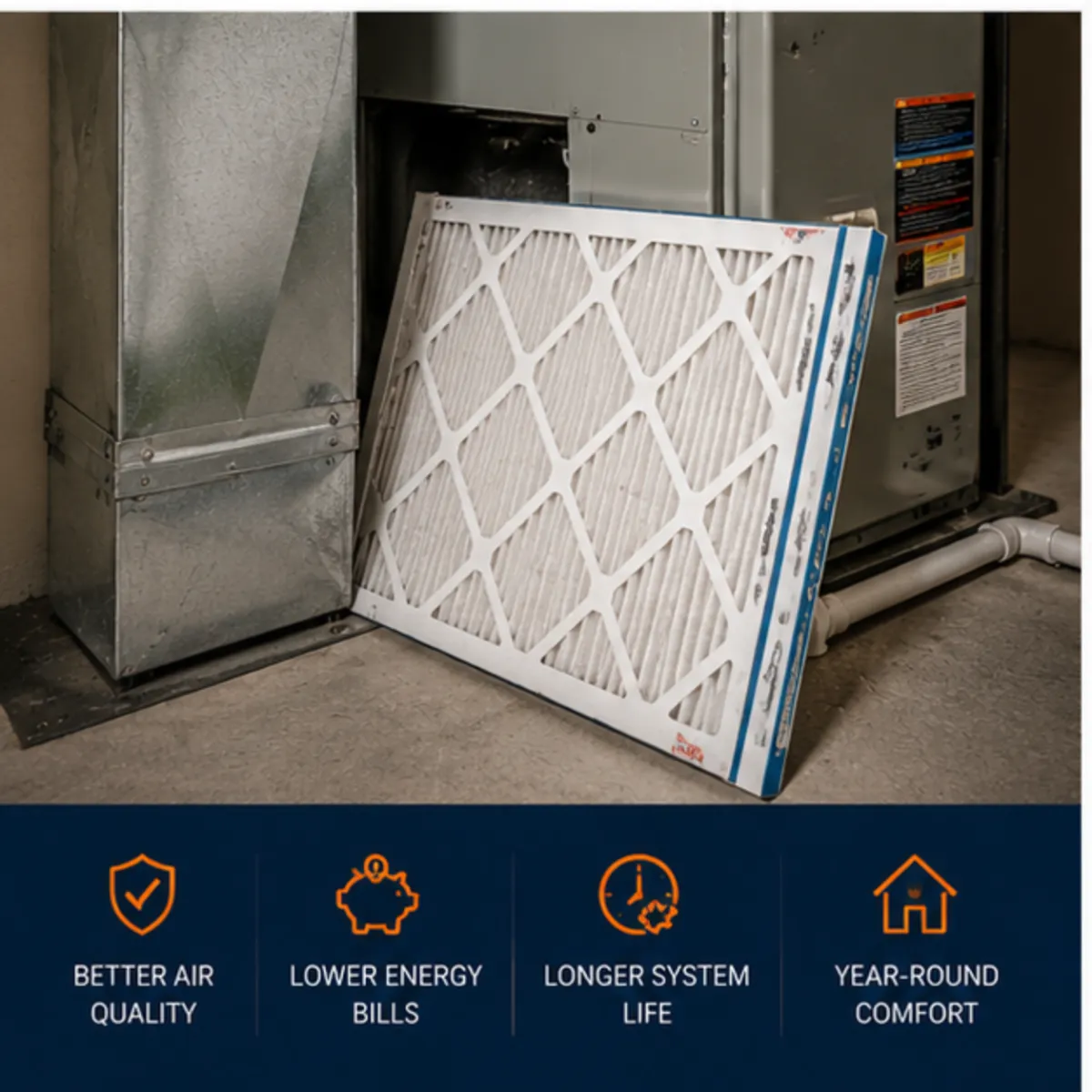
How Often to Change Your HVAC Air Filter

Home Maintenance, HVAC, Indoor Air Quality, Tupelo HVAC
How Often Should I Change My HVAC Air Filter?
Changing your HVAC air filter is one of the simplest ways to protect your heating and cooling system and keep the air in your home clean. Yet many homeowners are unsure how often it really needs to be done. The honest answer is: it depends. This guide breaks down what “depends” means in real life so you can choose a schedule that fits your home, your health, and your budget—and know when it is time to call a trusted Tupelo HVAC professional for help.

The Short Answer: General Filter Change Guidelines
If you only want a quick rule of thumb, here it is: most homes should change standard HVAC air filters every 60–90 days. That said, this is just a starting point. Your ideal schedule depends on the type of filter you use, how often your system runs, and what is happening inside your home—pets, allergies, smoking, and more all play a role. If you live in North Mississippi, a local Tupelo HVAC technician can also help you fine-tune this schedule based on our humid climate and how you use your system.
📌 Key Takeaway: For a typical home with no special concerns, plan on changing your filter about every 2–3 months, then adjust based on what you see and how you feel. If you are unsure, schedule a visit with a trusted Tupelo HVAC at Cool & Warm Solutions to review your system and filter needs.
Why Your HVAC Air Filter Matters More Than You Think
An HVAC air filter does two important jobs. First, it protects your furnace, air handler, and ductwork from dust and debris that can build up and cause wear and tear. Second, it helps clean the air you breathe by trapping particles like dust, pet dander, and pollen as air circulates through the system. For homeowners working with a Tupelo HVAC provider, keeping this filter clean is one of the main ways to extend the life of your equipment between professional tune-ups.
When a filter is clogged or overdue for replacement, air struggles to pass through. That means your system has to work harder, which can lead to:
Higher energy bills because the blower runs longer and harder
Hot and cold spots or weak airflow in certain rooms
More dust settling on furniture and floors between cleanings
Added strain on motors and components, shortening the life of your system
💡 Pro Tip: A fresh filter is one of the least expensive ways to improve comfort and reduce the risk of costly HVAC repairs. Many maintenance plans include filter checks, so ask your contractor about adding this to your seasonal service.
How Often Should I Change My Air Filter? It Depends on the Filter Type
Not all filters are created equal. The material, thickness, and quality affect how long they last and how well they clean the air. Here are general guidelines by filter type, which most Tupelo HVAC companies also use when recommending filters for local homes:
Fiberglass (disposable) filters: These are the inexpensive, thin blue or white filters many people grab at the hardware store. They mainly protect the equipment and do little for air quality. Plan to change them every 30 days, sometimes sooner in heavy-use seasons when your HVAC system is running almost nonstop.
Pleated 1-inch filters: A common upgrade, these capture smaller particles and usually last 60–90 days in an average home. In homes with pets or allergies, check them monthly and expect to replace them closer to every 30–60 days. Your Tupelo HVAC technician can recommend a MERV rating that balances air quality with proper airflow for your specific system.
High-efficiency 4–5 inch media filters: Thicker filters found in many newer systems or upgraded filter cabinets can last longer because they have more surface area. Manufacturers often recommend changing them every 6–12 months, but homes with heavy dust, pets, or construction nearby may still need them replaced sooner. A local pro can check this filter during annual maintenance and let you know when it is time to swap it out.
Washable or reusable filters: These must be removed, cleaned thoroughly, dried completely, and reinstalled, usually every 30 days. If they are not fully dry, they can grow mold, so follow the manufacturer’s instructions carefully. If you are unsure whether a washable filter is right for your home, ask your HVAC contractor for guidance.
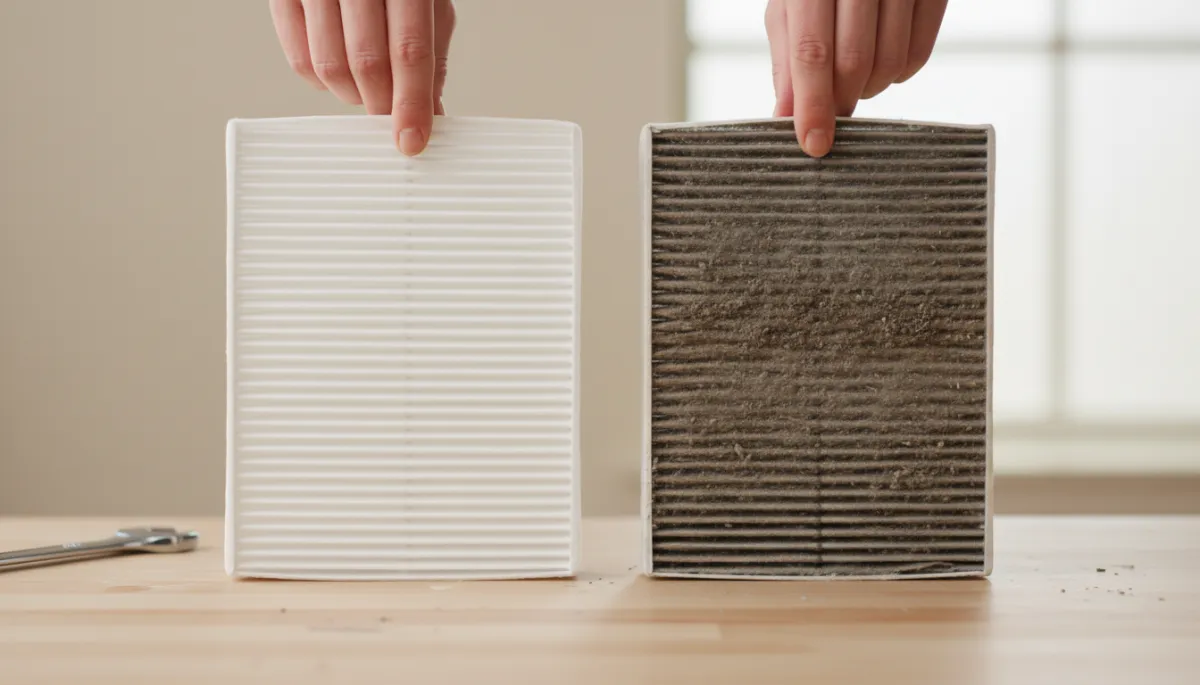
Visually comparing filters over time helps you fine-tune the right replacement schedule for your home.
Lifestyle and Home Factors That Change Your Filter Schedule
Beyond the filter itself, everyday life in your home has a big impact on how quickly filters load up with dust and debris. Consider these common situations and how they affect how often you should change your HVAC air filter. If you work with a Tupelo HVAC company for regular service, be sure to mention these factors so they can tailor recommendations to your household.
Do You Have Pets?
Dogs and cats shed hair and dander that quickly clog filters, especially in homes with multiple pets or long-haired breeds. If you have one pet, plan on changing a pleated filter every 6–8 weeks. With two or more pets, every 30–45 days is often more realistic, particularly during heavy shedding seasons. Many technicians see pet hair as one of the biggest reasons filters need to be changed more often.
Does Anyone in Your Home Have Allergies or Asthma?
If someone in your household is sensitive to dust, pollen, or pet dander, your filter is part of your health toolkit. A clean, higher-rated filter can help reduce airborne triggers. In these homes, it is wise to:
Use a quality pleated or high-efficiency filter recommended by your HVAC professional, and consider asking a Tupelo HVAC expert which filter ratings will work best with your equipment and local pollen levels.
Check the filter every 30 days, replacing it as soon as it looks noticeably dirty rather than waiting for the calendar.
How Often Does Your System Run?
In climates with long, hot summers or very cold winters, your HVAC system may run almost constantly for months. The more air that passes through the filter, the faster it fills up. During peak heating or cooling seasons, you may need to change filters more frequently than in mild spring or fall months. A good approach is to:
Check the filter monthly during heavy-use seasons, and
Expect shorter replacement intervals if your system runs most of the day. Homeowners who rely on their HVAC system for year-round comfort often find that filters need more frequent checks in the hottest and coldest months.
Is Your Home New, Recently Renovated, or Extra Dusty?
New construction and remodeling projects create fine dust that lingers long after the work is done. If you have recently moved into a new build, finished a basement, or had major renovations, your filters may clog surprisingly quickly. In these situations, plan on checking them every 2–4 weeks and be prepared to replace them more often until the dust settles—literally. Many Tupelo HVAC contractors recommend an extra filter change after big projects to keep that construction dust from cycling through your system.
Signs Your Air Filter Needs to Be Changed Sooner
Even with a schedule in mind, your home will often tell you when it is time for a new filter. Watch for these warning signs:
Visible dirt and discoloration: If the filter surface is gray or brown and covered in dust, it is past due for replacement.
More dust on surfaces: If you are dusting more often than usual, your filter may be overloaded and letting more particles circulate.
Weak airflow from vents: When a filter is clogged, less air gets through. Rooms may feel stuffy or take longer to heat or cool.
Unusual odors: A dirty filter can contribute to stale or musty smells as air passes over dust and trapped particles.
💡 Pro Tip: Write the installation date on the frame of your filter with a marker. It makes it easy to see at a glance how long it has been in use. If you are enrolled in a HVAC maintenance plan, you can also sync your filter changes with your scheduled tune-ups.
How to Check and Change Your HVAC Air Filter Safely
If you have never changed your filter before, the process is usually quick and straightforward, but safety and orientation matter. Follow these basic steps:
Turn off the system: Switch your thermostat to “off” before removing the filter so the blower does not start while the filter is out.
Locate the filter: It may be in a return air grille on a wall or ceiling, or inside the furnace or air handler cabinet. If you are unsure, check your owner’s manual or ask a professional on your next service visit. A local Tupelo HVAC technician can also show you exactly where your filter is and how to access it safely.
Check the size: The existing filter’s frame will list dimensions (for example, 16x25x1). Use the same size when buying replacements to ensure a proper fit with no gaps around the edges. Many Tupelo HVAC companies keep common filter sizes in stock if you prefer to purchase directly through your contractor.
Note the airflow direction: Filters have an arrow on the frame indicating airflow. This arrow should point toward the equipment, not toward the return grille. Install the new filter with the arrow facing the same way as the old one.
Secure the filter and restart: Make sure the filter sits snugly in its slot or grille. Close any access panels, then turn the system back on at the thermostat. If something does not seem right, contact your trusted Tupelo HVAC service provider at Cool & Warm Solutions before running the system for long periods.
Creating a Filter Change Routine That Actually Sticks
Knowing how often you should change your HVAC air filter is only helpful if you remember to do it. Fortunately, a few simple habits can make it almost automatic:
Set reminders: Use your phone, calendar app, or smart home device to remind you every 30 or 60 days to check the filter. Some Tupelo HVAC companies also offer reminder emails or texts as part of their customer service—ask if this is available.
Buy filters in bulk: Keeping a small stack of the right size filters on hand makes it easier to swap them out on time, without a last-minute store run. Your preferred Tupelo HVAC contractor may be able to recommend brands and ratings that work best for your specific system.
Pair it with other chores: Check your filter on the same day you pay monthly bills, test smoke alarms, or clean the bathroom. Linking tasks helps build a routine and keeps your Tupelo HVAC system running efficiently all year.
The Bottom Line: Adjust the Schedule to Your Home
So, how often should you change your HVAC air filter? For many households, a practical starting point is: every 60–90 days for standard pleated filters, with more frequent changes—every 30–60 days—if you have pets, allergies, heavy system use, or recent construction dust. Thick media filters may last up to a year, but they should still be checked regularly to avoid surprises. Homeowners who partner with a reliable Tupelo HVAC company like Cool & Warm Solutions often roll these checks into annual or seasonal tune-ups for extra peace of mind.
Rather than relying on one fixed rule, pay attention to your home: how the filter looks, how your system sounds, how the air feels, and how your family is breathing. A few minutes spent changing a filter every month or two can reward you with cleaner air, lower energy bills, and a more reliable HVAC system for years to come. And if you ever have questions or notice something unusual, reach out to your local Tupelo HVAC professionals at Cool & Warm Solutions—they work with these systems every day and can help you protect your comfort and your investment.